
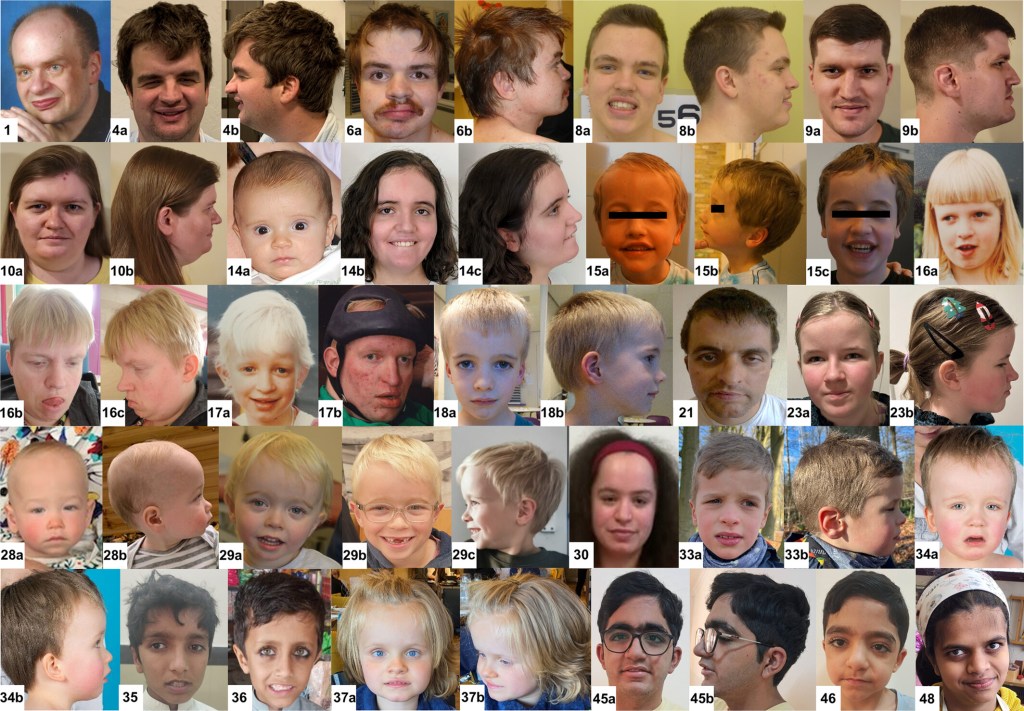
On February 16, 2026, a new study was published in the Annals of Neurology that provides the most detailed look yet at KPTN-related disorder (KRD). This study builds on existing KPTN research with the latest findings from the research team:
- Clinical data from 71 individuals with KRD—including 48 newly identified cases with 15 total variants
- Additional updates on mouse models to help us understand how KPTN mutations affect the developing brain
- News on testing sirolimus (an mTOR inhibitor). Two individuals in the study with drug-resistant epilepsy did not see immediate seizure control with this specific medication, but the mouse models confirmed that the mTOR pathway is hyperactive in KPTN. This provides a vital “biological target” for future research into therapies that might one day help manage the symptoms of KRD more effectively.
For more details, see the paper at this link: https://onlinelibrary.wiley.com/doi/10.1002/ana.78159
Full citation:
Rawlins, L.E., Iffland, P.H., II, Page, J., Flessner, R.Z., Elziny, S.M., Sbornova, I., Babus, J.K., Bruckmeier, S.R., Parikh, R., Verhoeven, M., Fasham, J., Leslie, J.S., Caswell, R., Ubeyratna, N., Wenger, O., Scott, E.M., Schreiber, J., Syrbe, S., Klabunde-Cherwon, A., Owens, M., Crosby, A.H., Baple, E.L., Crino, P.B. and the KPTN Consortium (2026), The Clinical Spectrum and Neurodevelopmental Pathogenesis of KPTN-Related Disorder in a Mouse Model. Ann Neurol. https://doi.org/10.1002/ana.78159
 KPTN Alliance